
Civil Engineering Firms Evaluating Infrastructure Capacity
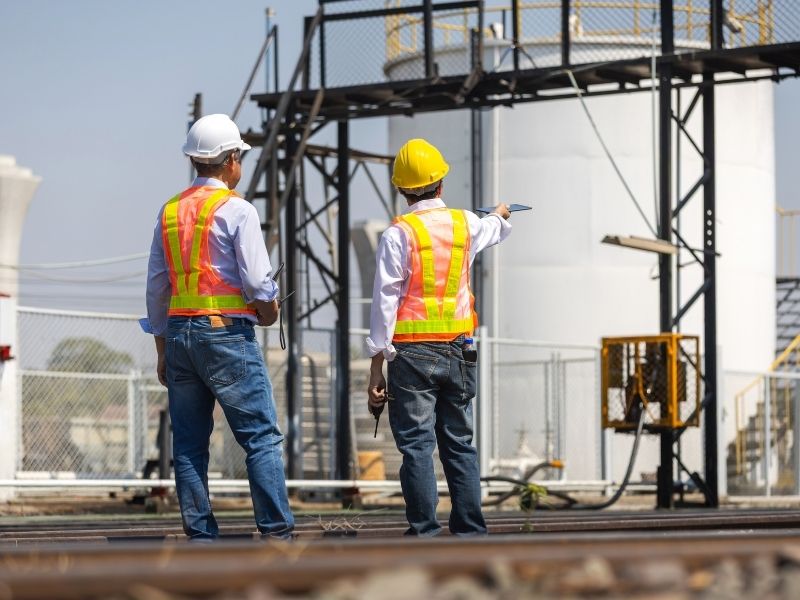
A great parcel can still be a tough development site. If the water main is too small, the sewer is close to capacity, or the road can’t handle new traffic, a project can stall for months or need expensive off-site upgrades. Civil engineering firms evaluate infrastructure capacity early so owners and developers know what a site can support before they commit to a plan.
Capacity evaluation means checking whether the systems around a property can serve the new use. That includes water supply, sanitary sewer, stormwater drainage, road access, and dry utilities like power and gas. The earlier this review happens, the more options you’ll have to adjust the site plan, phase the work, or budget for improvements.
Assessing Existing Infrastructure and Site Conditions
Every capacity review starts with what’s already in the ground. Engineers gather utility maps, record drawings, survey data, and past studies for the property and nearby areas. Records aren’t always accurate, so field checks matter. Crews may locate buried lines, open manholes to measure pipe sizes and depths, and note the condition of curbs, inlets, and pavement.
Site conditions shape how new infrastructure gets built and connected. Soil conditions affect trench stability, pipe bedding, and whether stormwater can soak into the ground. Topography decides whether sewer can flow by gravity or needs a lift station. Changes in elevation also drive grading, earthwork volumes, and where detention areas can fit.
The takeaway for owners is simple. Get a site survey and a utility investigation before you finalize a layout. Plans drawn on assumptions tend to change later, and late changes cost more.
Evaluating Water Supply, Sewer Systems, and Drainage Capacity
Water capacity comes down to volume and pressure. A firm will look at main size, available pressure, and fire flow, which is the amount of water the hydrant system can deliver for firefighting. Many utilities confirm this with hydrant flow tests or hydraulic models. If fire flow falls short, the project may need a larger main, a looped connection, or changes to the building’s fire protection design.
Sanitary sewer review checks whether downstream pipes and treatment facilities can take the added flow. Engineers estimate wastewater from the planned use and compare it to the remaining capacity in the system. Some providers limit new connections in certain areas. Rules vary by utility, so early contact with the provider is worth the time.
Drainage capacity covers where stormwater goes once roofs and pavement replace open ground. More hard surface means more runoff, and that runoff moves faster. Engineers check the receiving pipes, ditches, and channels, then size stormwater management features like detention ponds or underground storage to control how fast water leaves the site. Erosion control during construction belongs in this plan too.
Reviewing Road Access, Traffic Demand, and Utility Connections
Access is the item owners overlook most often. A site needs driveway locations with good sight distance, proper spacing from intersections, and room for emergency vehicles. New trips can push nearby intersections past acceptable performance. When that happens, the reviewing agency may require a traffic study and improvements like turn lanes, signal changes, or road widening.
Projects that add heavy truck traffic bring pavement design into the discussion. Existing roads may not be built for the loads a new warehouse or plant will send their way. A firm can review the road section and recommend upgrades where needed.
Dry utilities deserve the same attention. Power, gas, and telecom providers each have their own capacity limits and lead times. A large project might need a new transformer or an extended line, and scheduling that work can take months.
Identifying Infrastructure Limitations Before Site Development
Limitations show up in many forms. These are some of the most common ones a capacity review uncovers:
- Water mains too small for domestic demand or fire flow
- Sewer lines near capacity or too shallow for gravity service
- Storm systems that already back up during heavy rain
- Intersections with no room for added traffic
- Utility easements that cut through buildable areas
Finding these early changes how a project moves forward. A limitation might mean a smaller building, a new lot layout, a phased schedule, or a cost-sharing deal for off-site upgrades. Sometimes it shows the site isn’t a fit for the planned use at all. That’s a hard answer, but it’s far cheaper to learn during due diligence than after closing.
If you’re buying land, pair the capacity review with a feasibility study. Together they give a clearer view of total development cost beyond the land price. Lenders and investors often ask for this information anyway.
Planning Infrastructure Improvements for Long-Term Performance
Good infrastructure planning looks past opening day. Engineers size systems for full build-out so you won’t need to tear up new pavement to replace an undersized pipe a few years later. They also consider how future growth nearby could add load to shared systems.
Material and construction choices affect durability. Pipe material, bedding, pavement section, and concrete construction details all influence how long a system lasts and how much upkeep it needs. The right choice depends on soil conditions, loads, climate, maintenance plans, and budget.
Maintenance should be part of the design conversation from the start. Detention ponds need sediment removal, inlets need cleaning, and pump stations need regular service. Knowing who owns each piece, whether that’s the owner, an HOA, or the utility, prevents disputes after the project is done.
Frequently Asked Questions
What is an infrastructure capacity evaluation?
An infrastructure capacity evaluation checks whether existing systems can serve a proposed development. It covers water supply, sanitary sewer, stormwater drainage, road access, and utility connections. Civil engineering firms compare the project’s expected demand to the available capacity in each system. The results show where upgrades may be needed before construction.
When should a capacity evaluation happen?
It should happen as early as possible, ideally during due diligence before you buy land or finalize a site plan. Early findings give you room to adjust the layout, phase the work, or renegotiate price. Waiting until permitting can lead to redesign and delays. Some projects also need a follow-up review as the design develops.
Who pays for infrastructure upgrades?
In many cases, the developer pays for upgrades needed to serve the project. Some utilities and agencies use cost-sharing, reimbursement agreements, or impact fees instead. The arrangement depends on the provider, the size of the upgrade, and who else benefits from it. Ask about these terms early so they make it into your budget.
How long does a capacity review take?
Timing depends on site size, the number of utilities involved, and how fast providers respond. A basic review for a small site may take a few weeks. Larger projects that need traffic studies, hydraulic models, or flow tests can take several months. Starting early keeps the review from holding up your schedule.
Can a site still be developed if infrastructure is limited?
Often, yes. Engineers can recommend off-site improvements, on-site storage, phased construction, or a smaller program that fits current capacity. Some limits are harder to solve, such as a sewer connection freeze or a road with no room to widen. A clear evaluation helps you weigh the cost of each option before you commit.