
Soil Testing Before Selecting a Construction Site
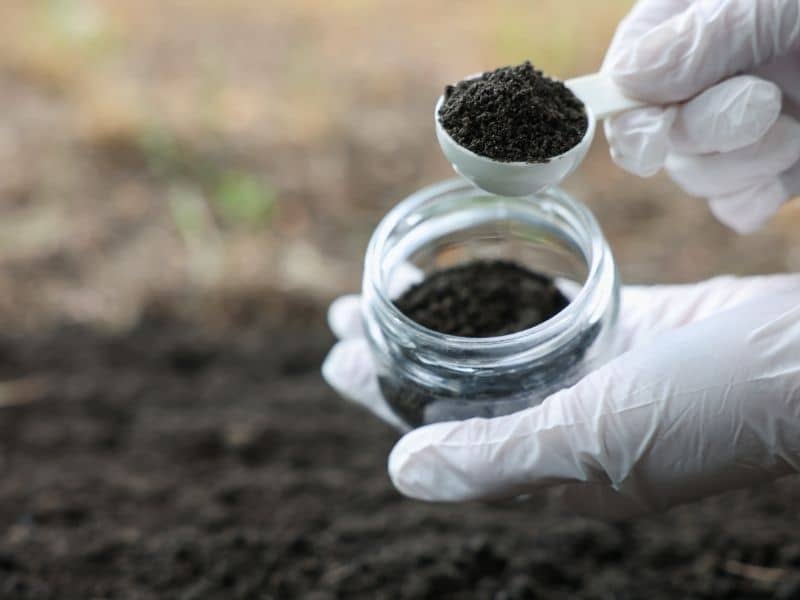
A site can look perfect from the road. Flat, dry, and priced right. What sits below the surface tells a different story, and that story decides how much you’ll really spend. Soil testing gives you that story before you sign.
Soil testing can help evaluate subsurface conditions, including soil characteristics, strength, groundwater conditions, and other factors that affect foundation and site design. The results shape foundations, budgets, and whether a site is worth buying at all. Weak soil or high groundwater can add large costs after closing. Testing early lets you walk away or plan around the problem while your money is still your own.
Why Soil Testing Matters Before Site Selection
Soil testing is the study of the ground beneath a property. It tells you what the soil is made of and how it behaves under load. Done before you buy, it becomes an important part of the site assessment and turns a guess into a decision.
Every building pushes its weight down into the ground. If the soil can’t carry that weight, the structure settles, cracks, or fails. The cost to fix bad soil after purchase can dwarf the price of the test. Testing first puts that risk on the table while you still have room to negotiate or move on.
A clean soil report can also work in your favor. It gives lenders and partners confidence in the site. That confidence can smooth financing and speed approvals.
Identifying Soil Strength, Stability, and Bearing Capacity
Bearing capacity is the amount of weight soil can support without failing. It’s one of the first numbers an engineer looks for. Low bearing capacity can mean costlier foundations, changes to planned building pads, or even a smaller building than you originally intended.
A geotechnical engineer takes soil borings at several spots across the site. Those samples show the layers below, from topsoil to clay to rock. Some soils, like sandy loam, tend to hold load well. Others, like soft clay or loose fill, shift and settle in ways that call for special design.
Stability matters as much as raw strength. Expansive clay swells when wet and shrinks when dry, which cracks slabs and footings over time. Loose fill from an old grading job can hide under a nice-looking surface. A test finds these problems before they find your foundation.
Checking Groundwater and Drainage Conditions Early
Groundwater is the water held in the soil below the surface. Its level changes the whole plan for a site. A high water table can flood a basement, weaken a footing, and complicate every dig.
Soil testing shows how deep the water sits and how the ground drains. Slow-draining clay holds water against foundations and paved areas. Fast-draining sand moves water away, though it can carry that water toward neighbors. Knowing this early helps you plan grading, drains, and detention before the design is locked in.
Drainage ties straight into cost and code. Poor drainage can trigger extra stormwater work and permits. These rules can vary by municipality, county, and project scope, so confirm them early.
Coordinating Soil Results With Survey and Site Data
Soil results mean more when paired with survey data. A topographic survey maps the slopes, elevations, and existing features of a site. Read together, the two show how water moves and where the ground is strongest.
A land surveyor also marks boundaries, easements, and setbacks that limit where you can build. Soil borings placed inside the buildable area give the most useful readings. Overlaying the soil report on the survey helps you set the structure on the best ground. This teamwork keeps the design honest from the start.
Pull these records together during due diligence. An ALTA survey, a topographic survey, and a soil report cover most of what a lender or buyer needs to judge a site. Missing pieces tend to surface at the worst time, right before closing or construction.
Using Soil Findings to Reduce Construction Risk
Good soil data lowers risk at every stage of a project. It guides the foundation type, from a simple slab to deep piers. It also flags the sites that aren’t worth the trouble.
Use the findings to price the real cost of building. Weak soil may call for ground improvement, deeper footings, or extra fill. Those line items belong in your budget before you buy, not after. A test that costs a few thousand dollars can save far more down the road.
Share the report with your team early. Engineers, contractors, and lenders all plan better with real numbers in hand. Confirm your testing and survey needs early when closing, permitting, or construction depends on them. That one habit prevents most soil surprises.